Volume Eating Recipes, Foods, and Meal Ideas
If you’re wondering, “What is volume eating?” start with a meal you already enjoy. Think about a bowl of pasta with tomato sauce and white beans. You could add sautéed zucchini for a bigger bowl, or swap some of the pasta for zucchini if you want a larger serving with roughly the same calories. Either way, you can keep the sauce and beans that make it a meal you look forward to.
What is volume eating?
It’s a way of building a larger serving for a given number of calories by choosing foods that provide fewer calories per gram. Foods with plenty of water, such as cucumbers, oranges, and broth-based soups, can help. Pair them with grains, protein foods, and fats to build a meal that suits your appetite.
In a chicken and rice bowl, for example, you could replace some of the rice with roasted cauliflower and keep the chicken and dressing. If you simply add the cauliflower, the bowl gets bigger and the vegetables add some calories of their own. Either choice can make sense depending on what you want from lunch.
Notice how the meal works for you on the day you eat it. If a big bowl of vegetable soup leaves you looking for a snack soon after lunch, try stirring in chickpeas and serving it with toast next time. A bowl that looks generous can still leave you wanting more.
What belongs on a volume eating foods list?
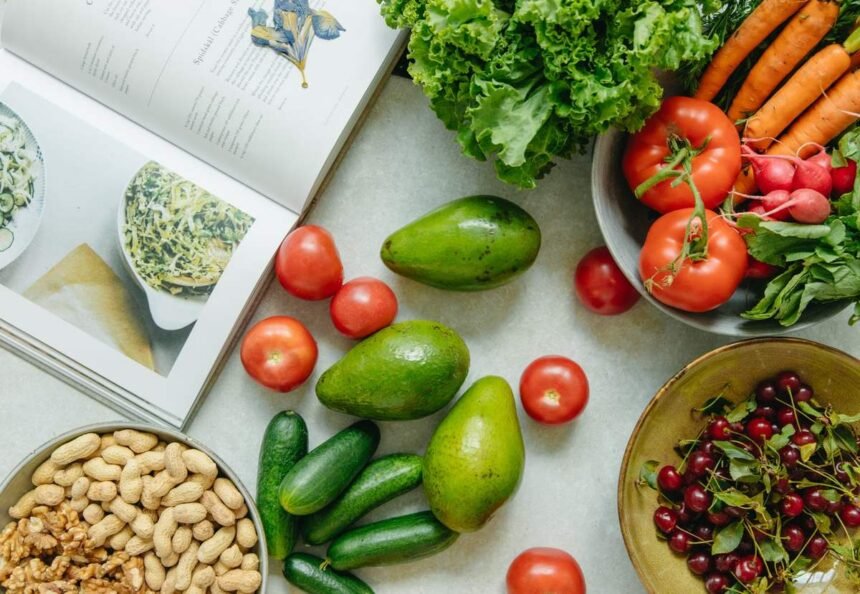
A volume eating foods list can start with cabbage, mushrooms, zucchini, tomatoes, strawberries, oranges, and broth-based vegetable soup. Pick ingredients according to how you want to use them. Cabbage adds crunch to a wrap, mushrooms work well in a skillet, and sliced strawberries bring both sweetness and juiciness to a bowl of oats.
Shop with a couple of meals in mind so you have a use for what you bring home. Shred some cabbage for tacos and save the rest for a noodle bowl. Keep canned tomatoes on hand for an evening when you want to turn beans and broth into soup without chopping fresh tomatoes.
How can you adapt volume eating recipes to meals you already cook?
Adapt a familiar dish by choosing produce that fits its flavor and texture. Stir chopped spinach into lentil soup, fold grated zucchini into a turkey skillet, or top oatmeal with diced apple. Keep enough of the original ingredients for the dish to taste and feel like the meal you wanted.
For a warm grain bowl, use leftover barley with roasted cauliflower and chickpeas. Toss them with lemon juice, olive oil, and chopped parsley just before serving. If you want more brightness, add another squeeze of lemon at the table. The same dressing also works when you’re using up a mix of roasted vegetables.
For pasta night, brown sliced mushrooms before stirring them into tomato and lentil sauce. Give their moisture time to cook off so the sauce stays thick enough to coat the pasta. If you want mushrooms for breakfast, set some aside before adding the sauce and fold them into scrambled eggs the next morning.
For breakfast, simmer oats with chopped apple and cinnamon until the fruit softens. Spoon yogurt over the cooked oats and add walnuts for crunch. You can use a pear in place of the apple. Add it near the end of cooking if you want the pieces to keep their shape.
When you’re cooking for several people, put extra vegetables on the table so everyone can choose how much to add. For taco night, set out shredded cabbage, chopped tomatoes, and lime wedges alongside the filling and tortillas. Anyone who wants more vegetables than the tortilla can hold can eat them on the side.
How do you keep larger portions practical for packed lunches?
Pack dressing and juicy toppings in separate containers to keep greens crisp until lunch. Use a wide container if you want room to toss everything together before eating. If you’re bringing a wrap, put extra chopped vegetables on the side so the tortilla is easy to fold and hold.
Leftover roasted vegetables are easy to use in a wrap if you chop them into small pieces before filling it. For a grain bowl, pack a wedge of lemon so you can squeeze it over the bowl just before eating. A fork makes it easier to mix the toppings through the grains.
Frequently Asked Questions
Can you use frozen vegetables in these recipes?
Yes, frozen vegetables work well in soups, curries, and skillet meals. Cook them according to the package directions. For a skillet dish, let excess moisture evaporate before adding the sauce so it coats the vegetables. For soup, the extra liquid can simply go into the broth.
Can you use canned fruit to add bulk to breakfast?
Yes, canned peaches, pears, or pineapple can add bulk to yogurt, oatmeal, or cottage cheese. Drain the fruit first if you want the bowl to stay thick. If you prefer a less sweet topping, look for fruit packed in water or juice and taste the bowl before adding sweetener.
Can you eat bigger portions if raw salads feel too bulky?
Yes, cooked vegetables are an option if a large raw salad feels too bulky. Try roasted carrots with chicken and potatoes or wilted spinach stirred into a chickpea stew. Cooking softens vegetables, and greens take up less space once they wilt. Start with a portion that feels comfortable and add more if you’re still hungry.