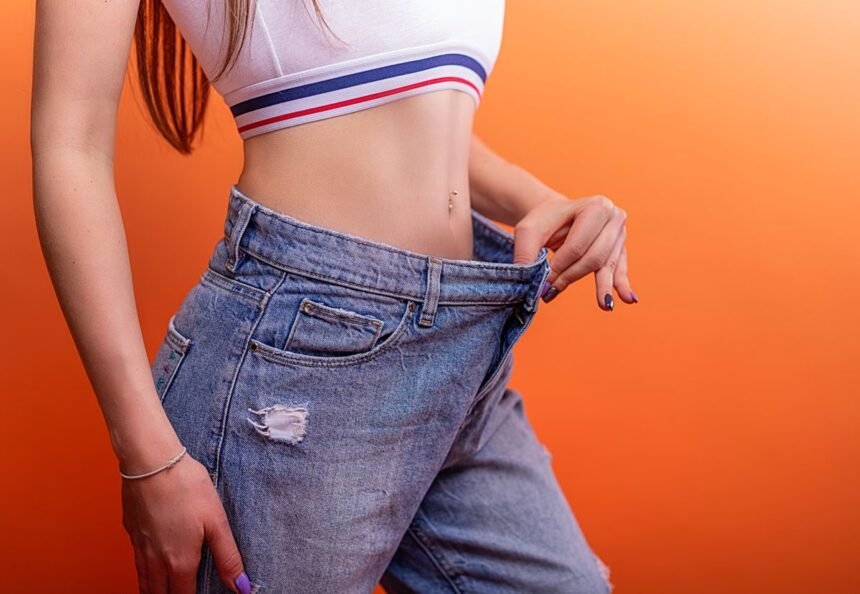
Understanding Loose Skin After Weight Loss
Loose skin after weight loss is skin that hangs or folds as the area beneath it becomes smaller. You may notice it around your abdomen, upper arms, thighs, or chest. A fold might mainly affect how a shirt hangs, or it might catch at a waistband when you sit. The area and what you notice during everyday activities can help you decide which options to explore.
If you’re looking for how to tighten loose skin after weight loss, start with the change you want to see. Reducing rubbing during a walk, easing dryness, and changing the size of a fold are different goals.
Does loose skin go away after weight loss?
Loose skin can draw back somewhat after weight loss, though more pronounced folds may remain. How much it draws back depends in part on your age, your skin’s elasticity, and how much it stretched before the weight came off. The amount of change can also vary across different areas of your body.
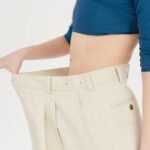
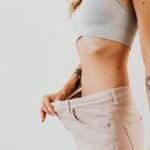
“Does loose skin go away after weight loss?” can be a harder question to answer when you’re comparing photos. A fold at the waist may look different when you sit, stand, or twist. If you use photos to track changes, compare the same area in the same pose and lighting. Use the same approach when looking at before-and-after photos for a product, especially if you want to see whether the fold hangs differently. A close-up may show changes in surface texture while leaving the outline of the fold out of view.
How much weight loss causes loose skin?
There is no set number of pounds or kilograms at which loose skin appears. Larger weight changes can leave more excess skin, and the outcome also depends on skin elasticity, where you carried the weight, and how long the skin was stretched. Two people who lose the same amount may see different changes.
If you’re asking how much weight loss causes loose skin because you’re concerned about how clothes will fit, use an item you already wear as a reference. Notice whether a fold catches under the waistband as you sit, or whether a sleeve pulls when you reach. A shirt that feels fine with your arms at your sides may feel different when you lift them. These details give you a concrete way to describe what bothers you if you decide to ask about clothing adjustments or discuss the fold at a consultation.
How to tighten loose skin after weight loss?
Skin removal surgery can address substantial folds by removing excess skin. For everyday comfort, a moisturizer can help with dryness, and supportive clothing can hold a fold closer to the body while you wear it. The option you explore depends on whether you want to change the fold itself or make it easier to live with.
When a product describes itself as “firming,” check what it says will change. If the description focuses on how smooth the skin looks or feels, look for a separate explanation of what it can do for a hanging fold. Smoothness and how far a fold extends are different things you can observe.
What should you bring up at a surgery consultation?
Tell the clinician which fold concerns you and describe the activity or movement it affects. A fold that rubs while you walk gives the clinician a different example to work with than one that pulls when you reach overhead. Ask how the procedure could address the specific problem you want to solve.
Ask what recovery could mean for the activities you do most, such as walking for exercise or reaching overhead at work. If scar placement matters to you, ask where the incision would be and how the resulting scar might sit in relation to the sleeves, waistbands, or necklines you usually wear.
How can you make skin folds more comfortable during exercise?
Soft, breathable clothing can make exercise more comfortable by helping a fold stay in place and keeping seams away from areas that rub. A longer shirt can cover a fold near the waist. Longer shorts can help where the upper thighs rub together as you move.
Try the garment with the movement that usually causes rubbing. If it’s a waistband, take a few steps and bend to see whether the band rolls into the fold. If it’s a pair of shorts, check where the hem lands as you walk. An edge that sits comfortably while you’re standing still can shift and press on the area once you start moving.
After exercise, change out of damp clothes and gently dry the area. If irritation keeps coming back or the skin breaks down, ask a healthcare professional to take a look.
Frequently Asked Questions
Can building muscle change how excess skin looks?
Building muscle can change the shape beneath excess skin, especially around the shoulders, arms, and thighs. How much that affects the way the area looks depends on where the muscle grows and how much excess skin is present. A hanging fold can remain even when the area underneath becomes more muscular.
Are stretch marks and loose skin the same thing?
Stretch marks are lines within the skin, while loose skin drapes or folds over the area underneath. You can have both in the same spot. Stretch marks may fade in color over time, but how visible the lines are tells you little about how much a nearby fold will change.
Can I use the same size for a support garment and everyday clothes?
Choose a support garment size using its own chart and measure at the points it specifies. Your jeans may fit at the hips, while a support garment may also need to fit closely at the waist. When you try it on, check that you can sit and bend comfortably and that the edges stay flat.