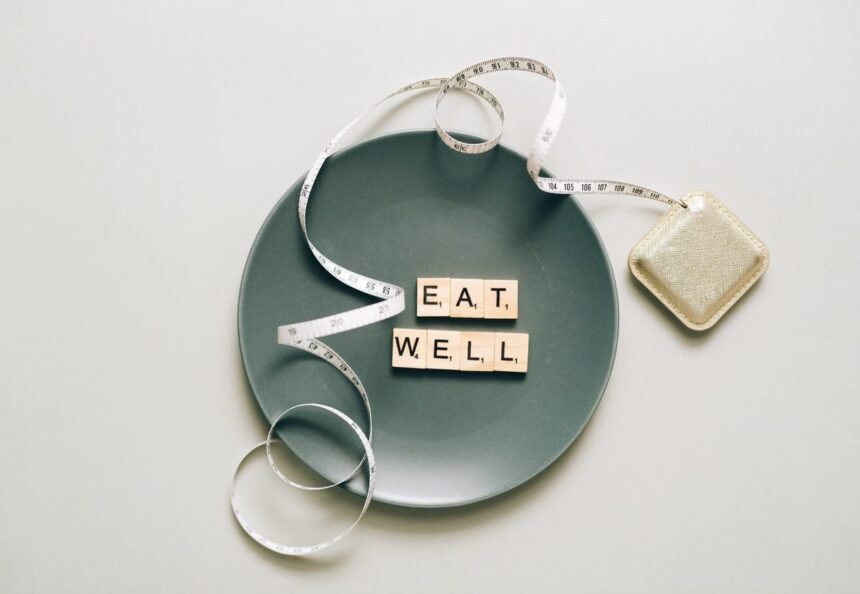
What Is Mindful Eating? A Guide to Everyday Meals
If you’re wondering how to practice mindful eating, start with a meal you already know well. A familiar lunch gives you something concrete to notice, whether it’s the crunch of toast or the warmth of soup. You can also pay attention to what makes that meal feel satisfying. Those details give you a starting point for deciding what you’d enjoy now and what you might prepare differently next time.
What Is Mindful Eating?
It’s the practice of paying attention to the experience of eating as it happens. You notice the food’s flavor and texture, how hungry or full you feel, and where your attention goes. You can approach those details with curiosity and give yourself room to enjoy the food you chose.
Say you’re halfway through a sandwich when you realize you’ve been drafting an email in your head. You can return your attention to lunch by noticing the sharpness of the mustard or the way the bread feels as you chew. Your thoughts may drift again. Each time you notice, the bite in front of you gives you somewhere to bring your attention back.
Specific observations can also tell you more about what you enjoy. If your first thought is “I didn’t like lunch,” consider which part disappointed you. Maybe the filling tasted good and the bread went soggy in the container. The next time you pack that sandwich, you might keep the filling separate and put it together when you’re ready to eat.
How to Practice Mindful Eating
Choose one meal and check in before you start, during your first few bites, and at a natural break. First, notice how hungry you feel. Then pick out a flavor or texture. At the break, see how your appetite and enjoyment have changed, and use what you notice to decide what you’d like to do next.
Pick a moment that already belongs to your routine. If you eat lunch at your desk, opening your container can be your cue to turn your attention to the food. On days when your schedule allows, give yourself a few bites before opening your messages. If a call comes in, you can pick up where you left off when you return to lunch.
Choose a meal you can come back to often enough to see what fits. Breakfast might work well on a quiet morning, while lunch might give you more space on a day when you rush out the door. You can shift the same routine to dinner when that’s the meal you have time to sit down for.
Which Mindful Eating Exercises Are Easy to Try?
Compare two bites from the same dish or notice which flavors linger after you swallow. Both exercises give you a specific detail to focus on, and you can choose based on what’s in front of you. A mixed salad offers plenty to compare, while a sip of tea lets you focus on the finish.
To compare bites, take one forkful of salad with more dressing and another with more herbs. See what stands out in each. If you’re having toast, try the crisp edge and then the softer middle. You might discover that the part you usually leave until the end is your favorite, or that what you enjoy most is getting both textures in one bite.
For the lingering flavor exercise, take a spoonful of soup and see what you can still taste after you swallow. An herb that was subtle at first may be easier to pick out a moment later. Of these mindful eating exercises, this one works especially well with a drink or a dish that tastes different at first sip and at the finish.
Hunger and Satisfaction During a Meal
Hunger and satisfaction can give you different information about what you want next. A bowl of soup might leave you comfortably full while you’re still looking for a crisp texture. You might also love every bite of a meal and finish it feeling hungry. If the same lunch regularly leaves you hungry, you could pack a little more or bring something to eat alongside it.
At a shared dinner, you can use the pause before a second helping to consider the dishes one at a time. You might want more of the main dish because you’re still hungry, or you might be most interested in another spoonful of the side you liked. That distinction can help you choose what to put on your plate.
Frequently Asked Questions
Can you eat mindfully while talking with other people?
Yes, you can eat mindfully during natural breaks in conversation. When there’s a pause, take a bite and notice a detail such as the seasoning or temperature. When someone asks you a question, give them your attention and come back to the food when you’re ready.
How long should a mindful meal take?
A mindful meal can take as long as your meal usually takes. A few seconds of attention at the start or a brief pause between bites gives you time to practice. If your meal is unhurried, you can also notice how the dish changes as it cools.
Can you practice with a snack or dessert?
Yes, a snack or dessert gives you a chance to practice even if you’re having just a few bites. Notice what you’re looking forward to, such as the coolness of yogurt or the sweetness of a cookie. As you eat, see how the taste or texture compares with what you expected.