Weight loss and high blood pressure: What to know
If you’re managing weight loss and high blood pressure together, start with a change that fits your week. You might plan a few meals you can make on busy nights or set aside time for a walk. If you’re wondering, “Does weight loss lower blood pressure?” it can help if you carry extra weight. Your home readings can help you and your clinician see how your blood pressure responds over time.
How are weight loss and high blood pressure connected?
Losing some weight can lower both systolic and diastolic blood pressure in adults with high blood pressure who carry extra weight. Systolic pressure is the top number in a reading, and diastolic pressure is the bottom number. The size of the change varies, so pay attention to how both numbers move over time.
When you discuss weight loss and high blood pressure at a follow-up visit, share the changes you’ve made and when you made them. If you started cooking at home more often, mention whether you also changed how much salt you use. That gives your clinician context for interpreting your readings alongside changes in your weight, activity, and treatment.
How much weight loss to lower blood pressure is a reasonable goal?
A modest initial weight loss goal is a reasonable starting point if losing weight is appropriate for you. Work with your clinician to choose a target based on your starting weight and blood pressure readings. Agree on when to review your progress and how you’ll decide whether to adjust the goal.
If you’re unsure how much weight loss to lower blood pressure is realistic for you, think about what you could do in a typical week. If you want to bring lunch to work, make an extra portion at dinner and pack it while you clear the table. If walking fits better, pick days when you already have time for it. At your follow-up, explain what was easy to keep doing and what got in the way.
What is the best diet for high blood pressure and weight loss?
The DASH eating plan is a practical starting point for both goals. It emphasizes vegetables, fruits, whole grains, beans, nuts, and low-fat dairy, with room for fish and poultry. Choosing lower-sodium foods can support blood pressure management, and adjusting portions to your needs can help with weight loss.
When choosing the best diet for high blood pressure and weight loss for your routine, start with meals you already cook. If soup is a staple, compare broths using the same serving size. Multiply the sodium per serving on the label by the number of servings of broth you pour into the pot. Divide that total by the number of portions the soup makes. For example, if you use three label servings of broth in a soup that makes six equal portions, each bowl gets half the sodium listed for one serving of broth. Count the sodium from other ingredients separately.
For evenings when dinner plans change, keep no-salt-added canned beans, frozen vegetables, and whole grains on hand. Make a grain bowl or use the beans and vegetables to fill a wrap. If you add a packaged sauce, measure what you pour and compare it with the serving size on the label to estimate how much sodium it adds.
How can you track blood pressure while losing weight?
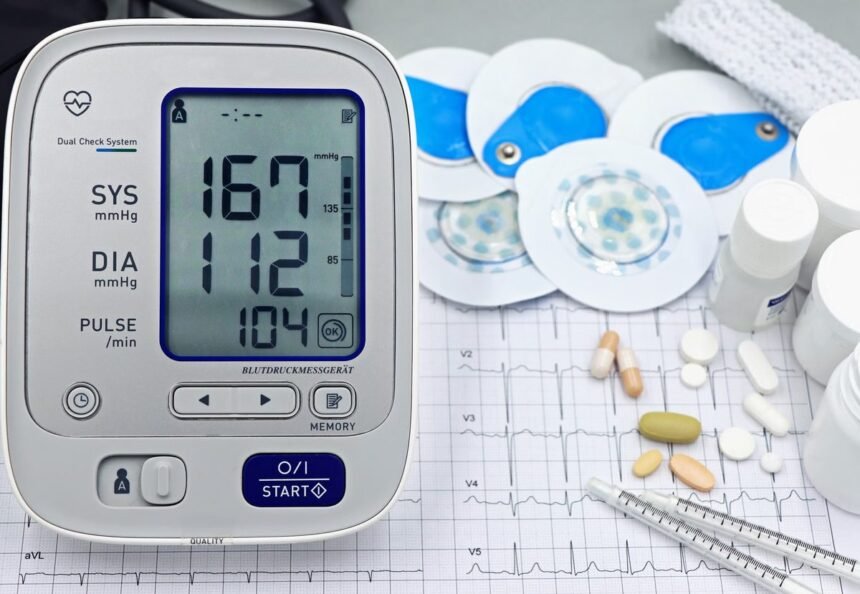
Use a properly fitting upper-arm monitor on the schedule your clinician recommends. Sit quietly before measuring, with your back supported, feet flat, and arm supported at heart level. Record the date, time, and both numbers from each reading so you can review them together at your next visit.
Keep the record in one place, such as a notebook or phone note. Add any symptoms and the dates of medication changes. If you already weigh yourself regularly, give weight its own column so you can see how it changed over the same period. If a reading stands out, a short note about how you felt that day can help you remember what to mention at your visit.
Frequently Asked Questions
Does weight loss lower blood pressure enough to change your medication?
Weight loss may lower your blood pressure enough for your clinician to adjust your medication. Keep taking it as prescribed and share your home readings as your weight changes. If you repeatedly get lower readings or feel lightheaded, contact your clinician to review your treatment before changing your dose.
Can blood pressure improve before you lose weight?
Yes, blood pressure can improve before you see a change on the scale. Eating less sodium and being more physically active can each help lower blood pressure independently of weight loss. If your weight is steady, keep recording your blood pressure so you can discuss any changes at your next visit.
Can you follow the DASH diet if you have kidney disease?
Some people with kidney disease can follow an adapted DASH eating plan. Ask your kidney care team or a renal dietitian which foods and portions fit your needs. DASH includes potassium-rich foods such as beans and some fruits, and your team can tell you whether you need to adjust your potassium intake.
Can you use a salt substitute to cut sodium?
A salt substitute can reduce sodium in home cooking, but many substitutes contain potassium chloride. If you have kidney disease or take medicine that can raise potassium, ask your clinician before using one. Lemon juice, vinegar, herbs, and spices can add flavor without relying on a salt substitute.