Fat Burning Foods: Do They Really Work?
If you’ve searched for “do fat burning foods work,” you’ve probably seen familiar foods like eggs and grapefruit sold on the promise of fat loss. It helps to look at what those foods would replace, how they fit into a meal, and whether you enjoy eating them.
Do fat burning foods work?
No single food burns enough extra calories on its own to produce meaningful fat loss. Your body uses energy to digest and process meals, and that amount varies with what you eat. For weight loss, what matters more is whether your overall eating pattern helps you sustain a calorie deficit over time.
Take hot sauce. Its heat tells you how spicy a meal tastes, but it tells you little about how much energy your body uses after eating. If you like the flavor, use it to season roasted vegetables or a bowl of beans. Judge it by whether it makes the meal more enjoyable.
Consider how a food fits into your usual routine before buying it for a particular benefit. A specialty snack you rarely reach for is unlikely to change your eating habits. An ingredient you already like and can use in several meals gives you more chances to see how it fits into your day.
What do high protein fat burning foods actually do?
Protein-rich foods can make meals more filling, and your body uses more energy to process protein than it does to process fat or carbohydrates. Eggs, plain Greek yogurt, tofu, fish, and beans all supply protein. Their practical value for weight management often comes from helping you feel satisfied between meals.
The label “high protein fat burning foods” often points to ingredients you can use in meals you already enjoy. If toast alone leaves you hungry by midmorning, try serving it with eggs or plain Greek yogurt. If a side salad is your usual lunch, add chickpeas and serve it with bread to make it a meal.
Choose a protein source that fits how you eat on an ordinary day. Yogurt works for a quick breakfast at home, while a tofu and vegetable wrap can be easier to carry to work. If you’re cooking dinner anyway, make extra tofu or fish and use the leftovers in lunch the next day.
Can food swaps help you eat fewer calories?
Yes, a food swap can help you eat fewer calories if the portion you actually eat or drink contains fewer calories and still leaves you satisfied. For example, ordering a smaller, lightly sweetened coffee in place of a large sweetened coffee can reduce the calories in the drink while keeping your usual coffee break.
When comparing packaged foods or drinks, check how many servings you typically have. Two bottles might list similar calories per serving, yet one may contain more servings. If you usually finish the bottle, compare the calories for the whole bottle. For a snack you portion at home, use the amount you actually put in your bowl.
Try a swap you can evaluate in the course of a normal day. If a smaller lunch regularly leaves you hungry enough to buy another meal on the way home, look at what you end up eating across the afternoon. A lunch that carries you through to dinner may be a better fit for your schedule.
What does a satisfying meal look like in practice?
A satisfying meal can combine a protein source, a fiber-rich food, and enough food overall to match your appetite. Try lentils with roasted vegetables and brown rice, or chicken with cabbage and potatoes. Add a seasoning or dressing you enjoy, and consider how long you’ll go before you can eat again.
On a busy evening, heat frozen vegetables, warm leftover rice, and add drained canned chickpeas. Finish the bowl with lemon or a spoonful of plain yogurt. Keeping the vegetables in the freezer and the chickpeas in the cupboard means you can put dinner together even when you haven’t shopped for fresh ingredients.
You can also build on a dish that’s already in your rotation. If vegetable soup feels more like a starter, add beans to make it heartier. If you’re roasting cabbage and potatoes for dinner, cook enough to use the next day. Pack the leftovers with chicken or lentils for a lunch you can reheat.
Frequently Asked Questions
Are there any fat burning fruits?
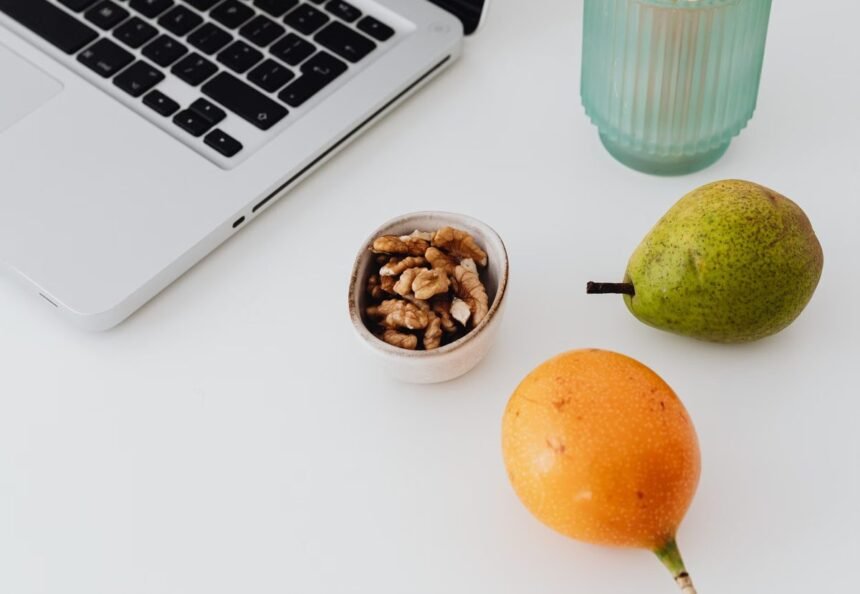
No, eating fruit does not directly burn body fat. Grapefruit, apples, and berries are sometimes called fat burning fruits, but what whole fruit offers is fiber and water. If you enjoy a sweet topping on plain yogurt, try berries. If you need a snack you can carry easily, pack an apple.
Can you eat nuts while trying to lose weight?
Yes, nuts can fit into an eating pattern that supports weight loss. They provide fat, protein, and fiber, and a small handful contains a concentrated amount of energy. Try spooning some into oatmeal or putting a portion in a bowl so you can see how much you plan to eat.
Does eating more often help you burn more fat?
Eating more often does not, by itself, lead to greater fat loss. Choose a meal schedule that suits your hunger and your day. If lunch and dinner are far apart, a planned afternoon snack can bridge the gap. If you feel comfortable between meals, you can keep your usual schedule.